Water Damage Restoration
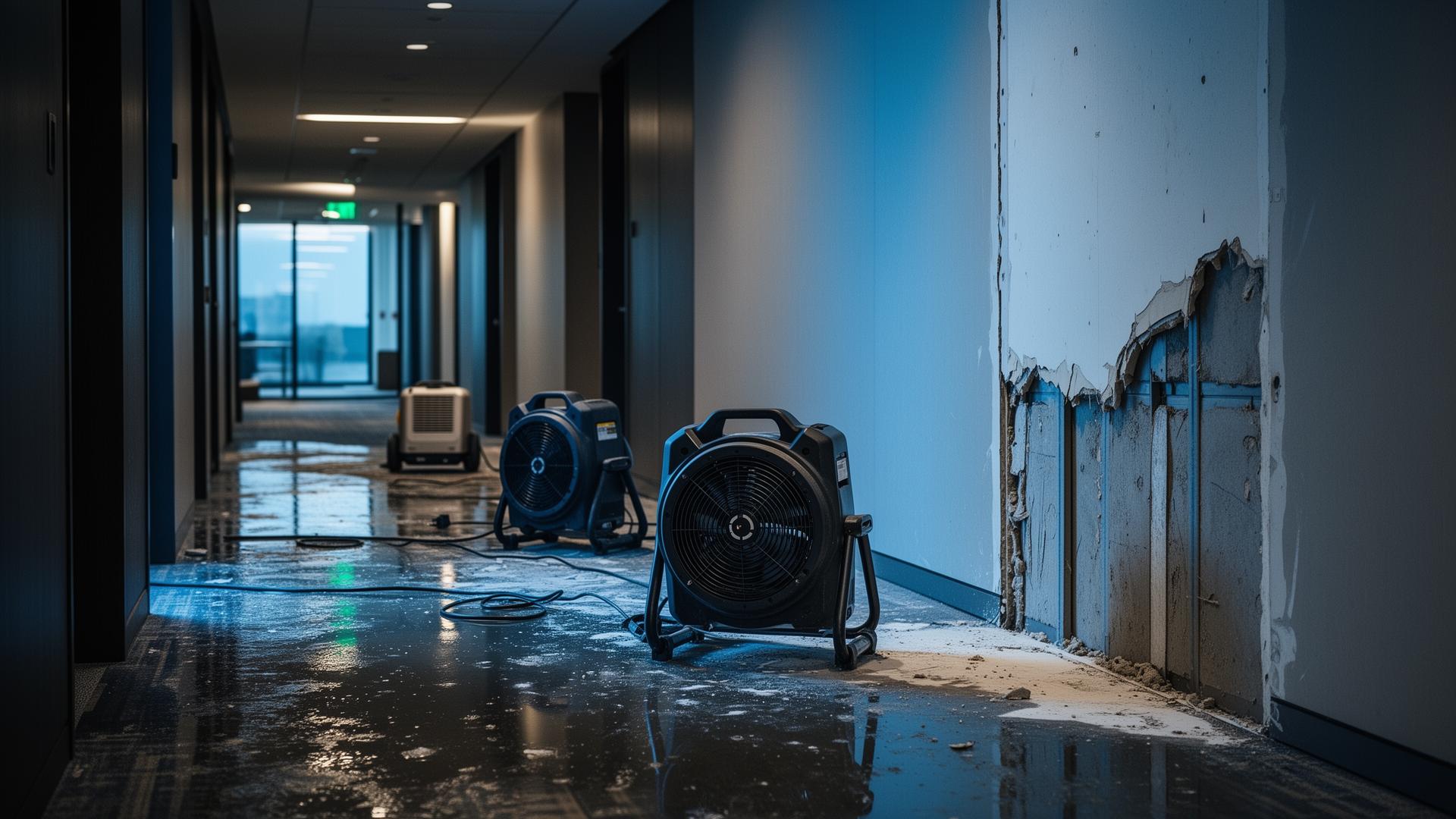
Comprehensive water extraction, drying, and restoration services for commercial properties affected by flooding, pipe bursts, or storm damage.
Response
2-4 hours, 24/7
Typical timeline
Extraction day one; structural drying 3-5 days (Class 1-2) or 5-10+ days (Class 3-4 / Category 3), ended by documented moisture readings — not the calendar. Reconstruction scoped after clearance.
Credentials
IICRC S500 · IICRC WRT/ASD · OSHA 30 · Licensed FL General Contractor
Overview
What water damage restoration looks like with CRG.
Water damage is one of the most common types of property damage we encounter, and it requires immediate action to prevent secondary damage like mold growth and structural deterioration. Our water damage restoration team uses thermal imaging cameras, industrial-grade extractors, commercial dehumidifiers, air movers, and E3 drying techniques to locate, remove, and dry moisture, including hidden areas behind walls and under floors. We handle everything from Category 1 clean water losses to Category 3 contaminated water events, following IICRC S500 standards throughout the process.
Key benefits
Why owners and carriers pick this scope.
Stops loss from escalating
Fast extraction and structured drying prevent mold, warping, and microbial growth — the failures that turn a $20k loss into $200k.
Built for carrier review
Moisture logs, photos, T&M documentation, and detailed scopes help keep the review process moving.
One team to dry, then rebuild
Our mitigation crew and reconstruction division share one schedule — no second mobilization, no missing scope.
Scope of work
Everything included.
A clear line-item view of what we deliver — no surprise scope, no carve-outs that turn into change orders later.
Methodology
Our step-by-step process.
- 01
Step 1
Emergency response & site assessment within 2-4 hours
- 02
Step 2
Water extraction using truck-mounted & portable equipment
- 03
Step 3
Moisture mapping with thermal imaging cameras
- 04
Step 4
Strategic placement of drying equipment
- 05
Step 5
Daily moisture monitoring & documentation
- 06
Step 6
Final clearance testing & restoration
FAQ
Frequently asked questions.
How quickly should water damage be addressed?
Extraction should begin the same day. The EPA notes microbial growth can begin within 24-48 hours of moisture exposure, so the faster standing water is removed and drying equipment is set, the smaller the loss. Our teams typically arrive within 2-4 hours of your call.
How long does the full restoration take?
Structural drying under IICRC S500 runs about 3-5 days for Class 1-2 losses and 5-10 days or more for Class 3-4 losses or Category 3 (contaminated) water, which adds selective demolition, decontamination, and antimicrobial treatment. Drying ends when documented moisture readings hit the target dry standard — not on a fixed calendar. Reconstruction is scoped after clearance and can range from about a week for a single tenant space to 30-90+ days for multi-story or multi-building commercial losses.
Do you work with insurance companies?
Yes, we work directly with all major insurance carriers. We provide detailed documentation, Xactimate estimates, and direct communication with adjusters to streamline your claim.
Can you save water-damaged contents?
In many cases, yes. Our content restoration team can salvage furniture, documents, electronics, and personal items using specialized cleaning and drying techniques.
Explore
More restoration services.
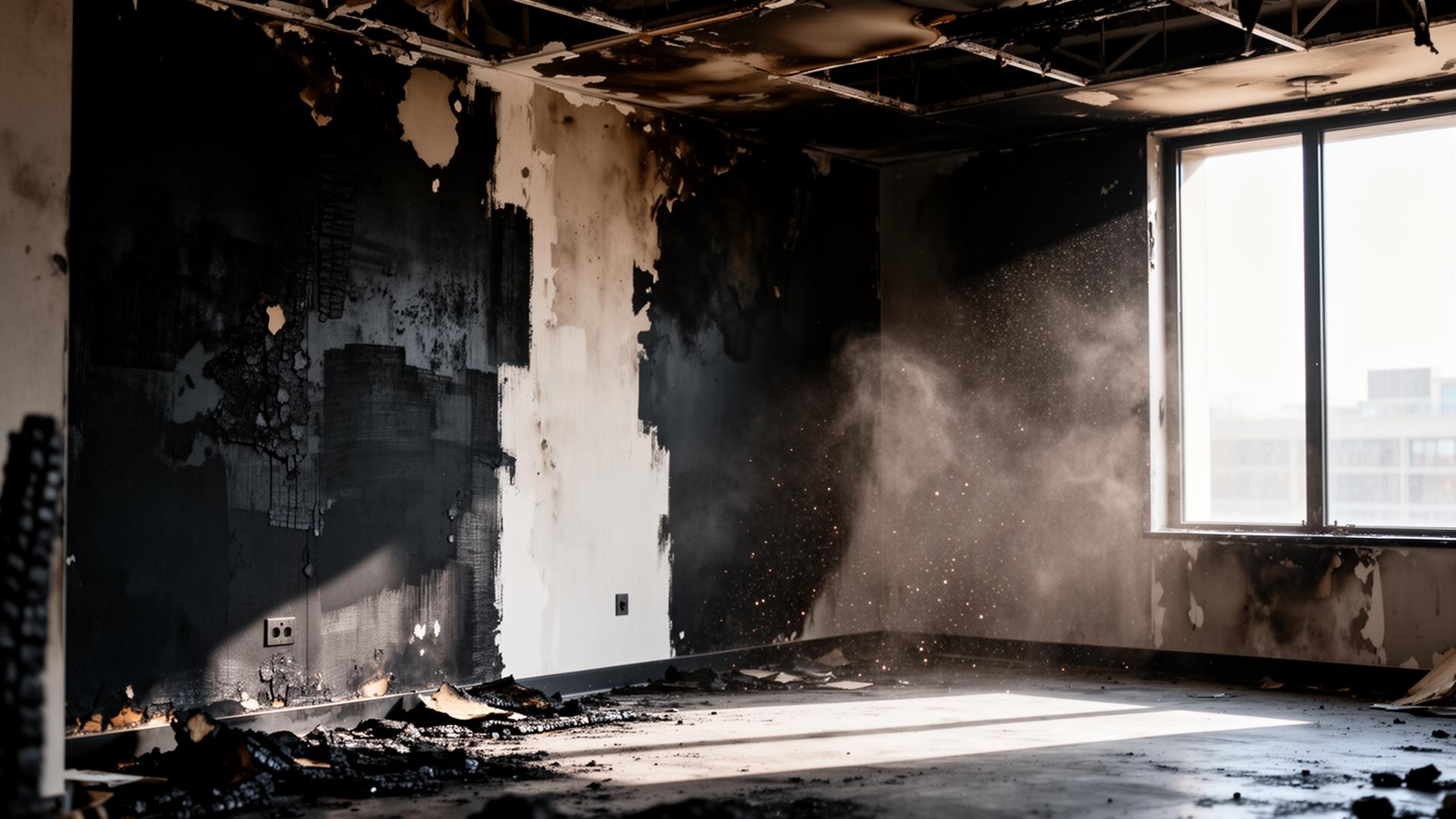
Fire Damage Restoration
Complete fire and smoke damage restoration including structural assessment, debris removal, odor elimination, and full property restoration.
View Fire Damage Restoration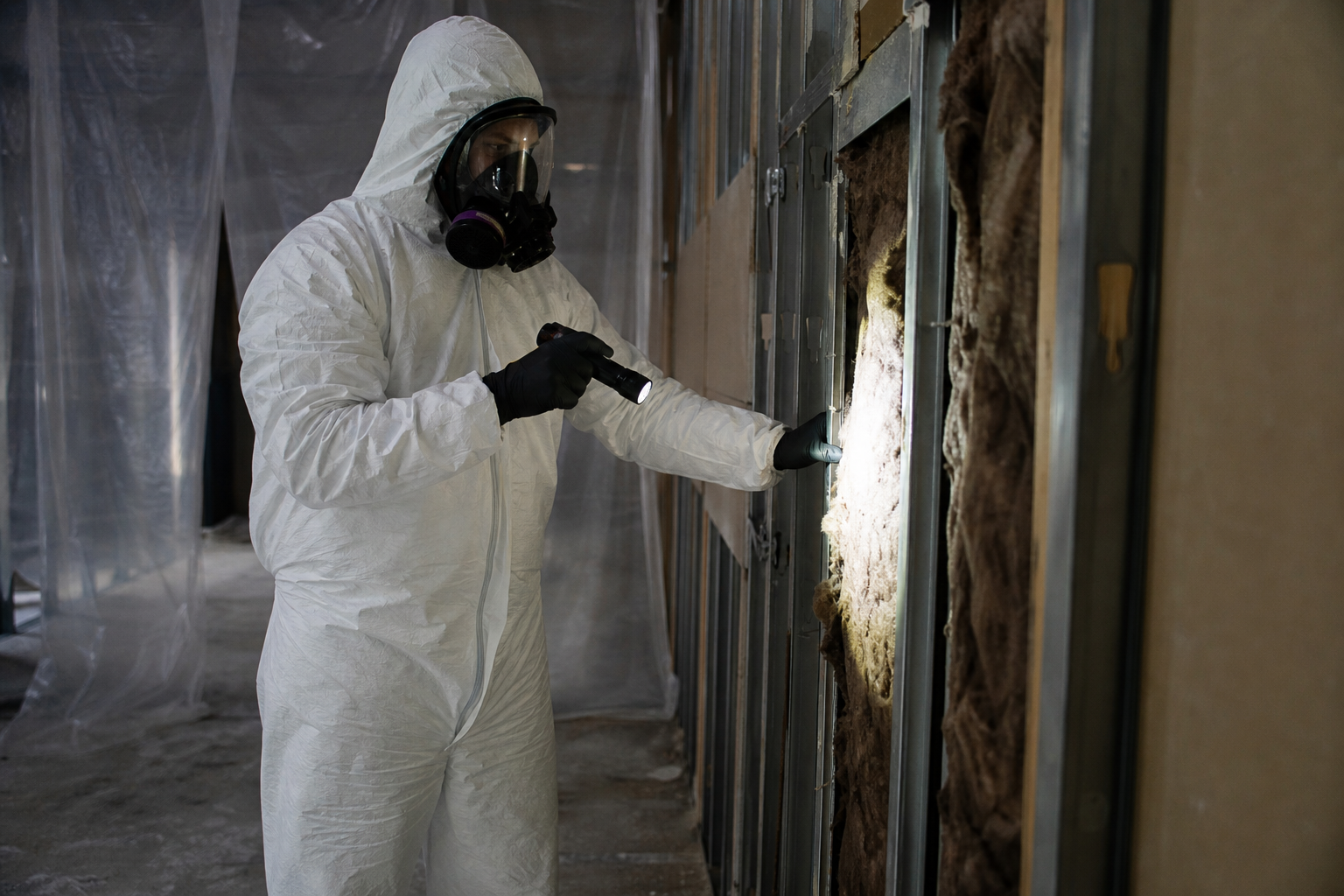
Mold Remediation
Professional mold inspection, testing, containment, and remediation following industry-standard protocols to ensure safe, healthy environments.
View Mold Remediation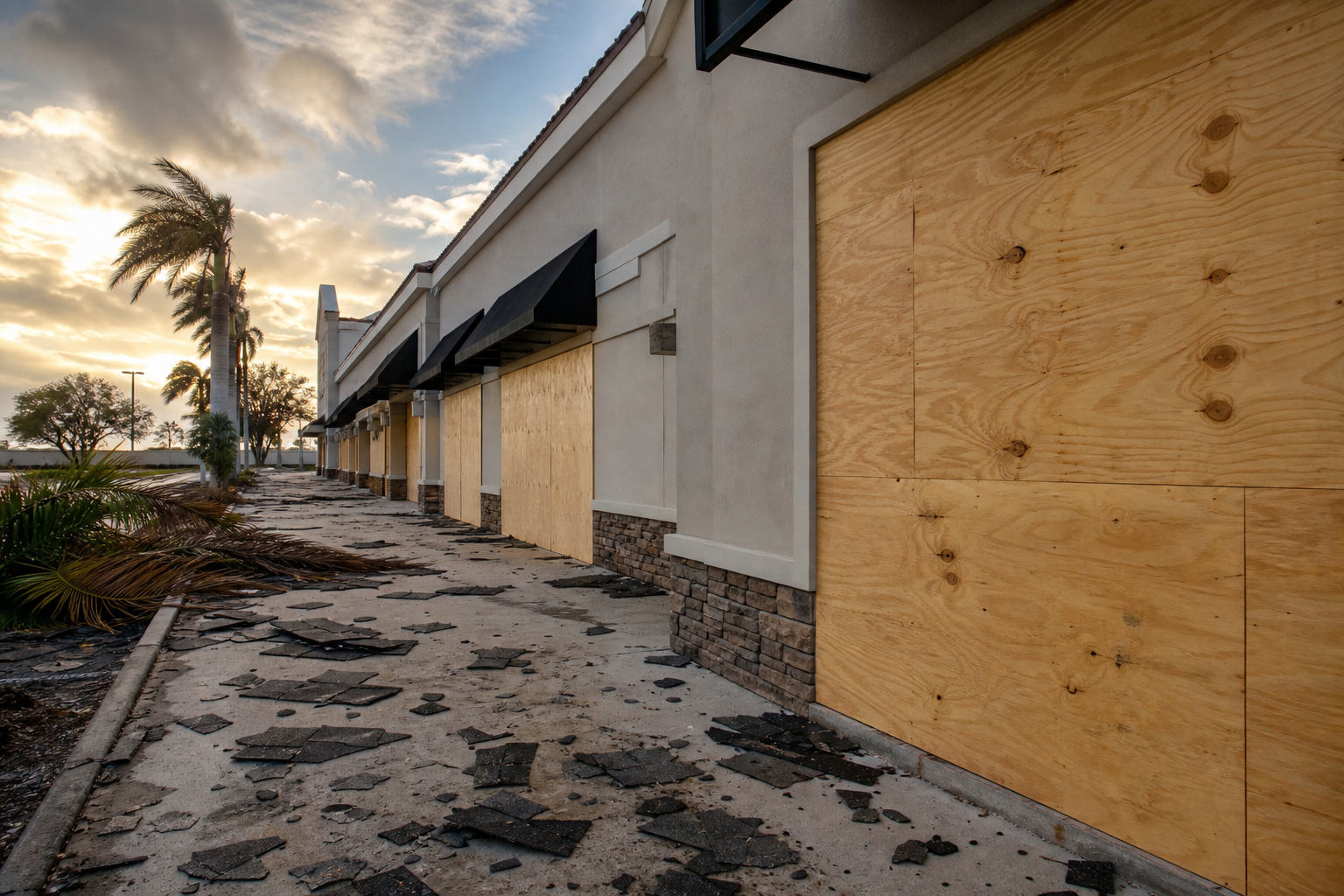
Storm & Wind Damage
Rapid response for hurricane, tornado, and severe storm damage including emergency tarping, debris removal, and complete reconstruction.
View Storm & Wind Damage
Let's Build Something Lasting
Ready to Start Your Project?
Contact us today for a free consultation. One licensed general contractor for occupied renovations, capital improvements, adaptive reuse, reconstruction, and emergency response.